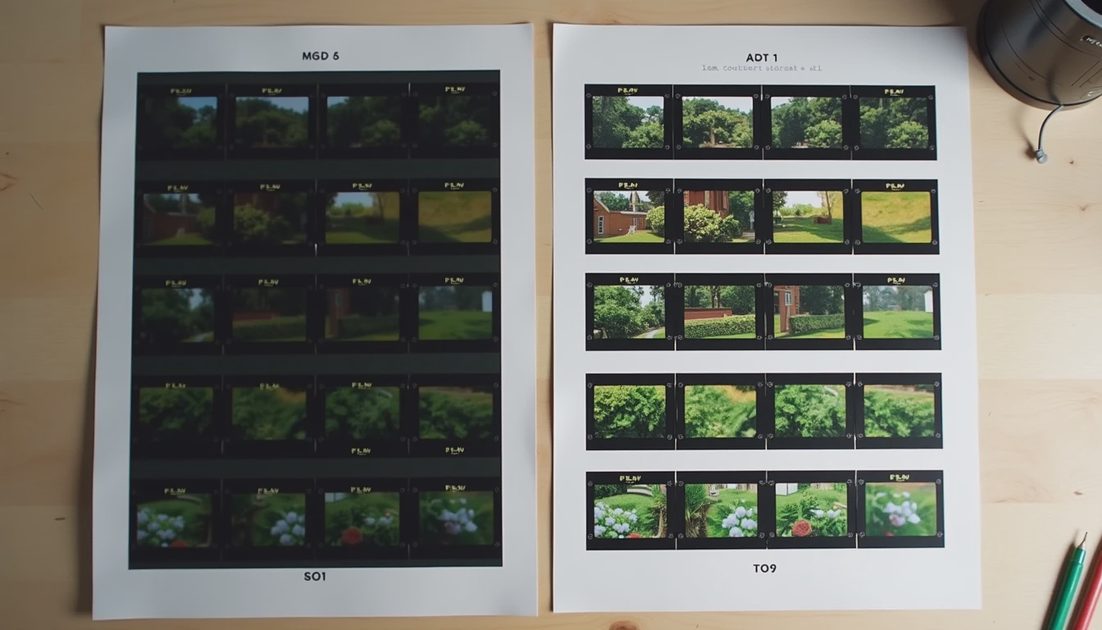
I still shoot film on weekends. The delay between pressing the shutter and seeing the contact sheet is the most useful training I have for evaluating AI-generated images. Instant feedback teaches you to fall in love with the first pretty frame. Delayed feedback teaches you to ask whether the frame is actually doing the job you hired it to do.
This Field Note is not a list of film-to-AI metaphors. It is the evaluation posture that migrated from my film notebooks into the MiniMax H3 Turbo test kitchen, written the way the notebooks themselves are written—observational, slightly stubborn, and allergic to single-frame glory.
The Contact Sheet Habit That Survived the Transition
On film I never judge a roll by its strongest frame. I pin the contact sheet up and look at the whole sequence. Ten frames under the same light, same lens, same film stock. If eight of them are unusable, the remaining two do not rescue the roll. They merely prove that luck still exists.
I now force every major MiniMax H3 Turbo experiment to produce a contact-sheet-style grid before any cherry-picking begins. Same seed range, same prompt blocks, same strength, ten or twelve cells. The grid is the unit of judgment, not the hero. When eight cells fail the identity card or the texture language, the recipe is not ready. The two survivors are interesting, but they are not evidence of a workflow.
This single habit has killed more “almost ready” recipes than any numeric threshold I have ever set. It is also the habit clients notice first when they sit beside me during a review. They stop asking “which one is the best” and start asking “how many of these would I actually use.”
Latitude, Texture, and the Questions Metrics Cannot Answer
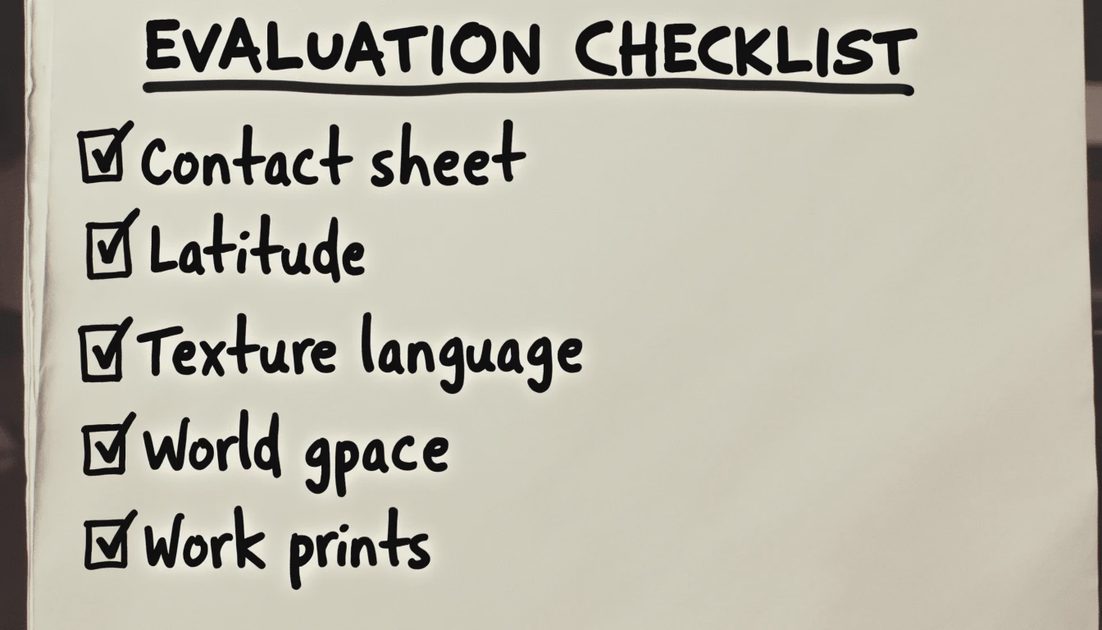
Film has exposure latitude. A negative can be a stop over or under and still print. Generative models have prompt and strength latitude. A recipe that only works inside a razor-thin strength band or with one exact prompt wording is like a film stock that only works at one precise exposure. I score recipes on how wide their usable range is, not on how polished the center of that range looks.
Texture taught me a second lesson. Maximum sharpness is not always the goal on film. Sometimes the grain structure and the way the lens falls off are the point. The same is true with generated images. I stopped treating “detail” as a primary success metric. I now ask whether the texture language matches the intended use. A soft, filmic texture that holds identity across wardrobe changes is often more valuable than a hyper-detailed face that collapses the moment the jacket color changes.
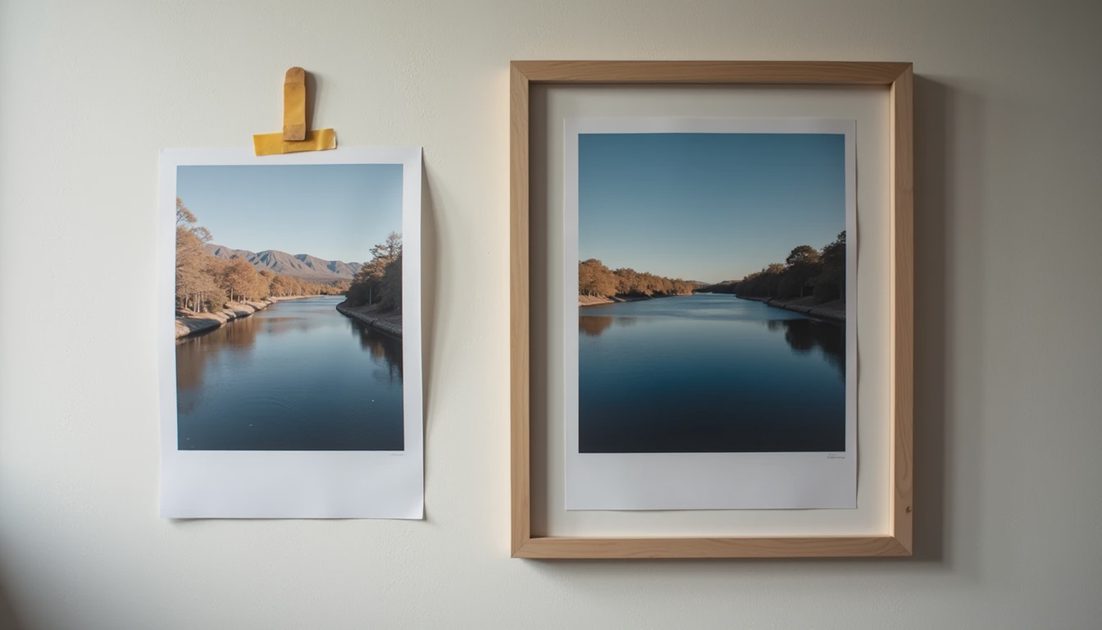
Metrics are excellent at counting marker retention and prompt obedience. They are almost useless at noticing that an image feels cheap, that the lighting has no source logic, or that the expression is technically correct but emotionally empty. The film habit of sitting with a small work print for a day forces those qualitative judgments back into the process. I keep a short qualitative section in every experiment log: Does this feel like something I would hang? Would I be embarrassed to show the failure modes? Those questions have no numeric score. They have repeatedly saved me from shipping recipes that only look good in isolation.
Film habit | What I actually do with H3 Turbo | Why it changes the result |
|---|---|---|
Contact sheet review | Multi-seed locked grid before any selection | Removes hero-frame bias |
Exposure latitude check | Strength and prompt range testing | Measures real usability |
Grain as intentional feature | Texture language written into locked blocks | Avoids false detail goals |
Work print before final | Use-case simulation at final size and crop | Catches scale and context failures |
Notebook of failures | Experiment log with qualitative notes | Makes patterns visible over months |
The Weekly Ritual and the Occasional Disagreement
Once a week I pull three recent “successful” grids and force myself to look at them the way I look at a film roll. How many frames are actually usable? Does the texture language hold across the set? Would I pay to print any of these larger than a phone screen? The ritual is quick. It repeatedly reveals recipes that were living on one lucky seed.
Occasionally a recipe clears every numeric probe and still feels cheap or emotionally flat. In those cases I trust the film instinct. I either revise the texture or lighting language or mark the recipe as technically sound but aesthetically limited. Shipping the flat version because the numbers passed has never improved a client relationship.
The most useful transfer from film is not any single technique. It is the refusal to let a finished-looking image end the conversation. Film taught me that the most dangerous frames are the ones that look complete before you have asked the hard questions. The same danger exists in the test kitchen. A grid that survives the contact-sheet review, the latitude check, the texture test, and the work-print simulation is still only a candidate. It becomes a kept recipe only after it survives the next model update and the next operator.
Run the test. Save the settings. Show the failure. Then look at the whole sheet, not the hero.
No comments yet.